AO Smith Water Heater Error Code E02: Causes and How to Fix It
Learn what E02 means, its common causes, step-by-step troubleshooting methods, and effective solutions to restore your hot water system.
ERROR CODES
6/16/20262 min read
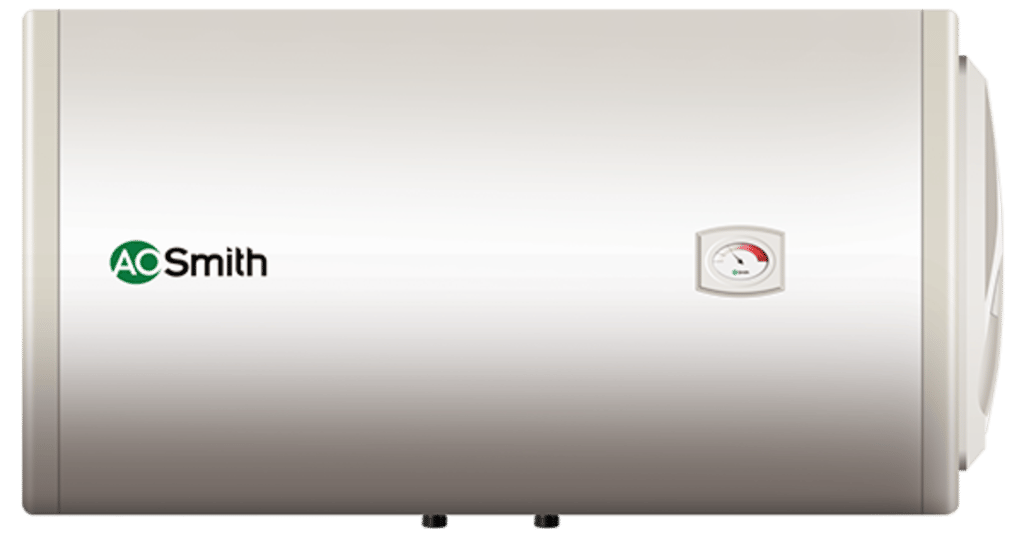
The E02 code generally appears when the water heater detects abnormal temperature readings or an unsafe operating condition. In many AO Smith electric water heaters, the error is linked to:
Faulty temperature sensor (thermistor)
Defective thermostat
Overheating water temperature
Tripped high-limit switch
Loose or damaged wiring connections
Excessive sediment buildup inside the tank
When the control board receives incorrect temperature information or detects excessive heat, it triggers the E02 error as a safety measure.
Common Causes of the E02 Error
1. Faulty Temperature Sensor
The thermistor monitors water temperature and sends readings to the control board. If the sensor fails or provides inaccurate readings, the system may display the E02 code.
2. Thermostat Problems
A malfunctioning thermostat can cause the heating elements to run longer than necessary, resulting in overheating and triggering the error code.
3. Overheating Water
Some users report extremely hot or even steaming water when the E02 code appears. This can indicate that the heater has exceeded its normal temperature limit.
4. Sediment Accumulation
Mineral deposits and sediment buildup at the bottom of the tank can reduce heat transfer efficiency and create localized overheating, leading to safety shutdowns.
5. Loose or Damaged Wiring
Corroded, disconnected, or damaged wiring between the sensor, thermostat, and control board can interfere with temperature monitoring and generate false error codes.
How to Fix AO Smith Error Code E02
Step 1: Reset the Water Heater
Turn off power to the water heater at the circuit breaker.
Wait 5–10 minutes.
Restore power and check whether the error code clears.
A simple reset can sometimes resolve temporary control-board faults.
Step 2: Check Water Temperature
Run hot water from a nearby faucet and carefully verify whether the water is excessively hot. If the water temperature seems unusually high, the thermostat or temperature sensor may be malfunctioning.
Step 3: Inspect Sensor and Wiring
After disconnecting power:
Examine the thermistor connections.
Look for loose wires, corrosion, or damaged insulation.
Ensure all connectors are securely attached.
Faulty wiring is a common cause of temperature-sensing errors.
Step 4: Flush the Tank
If the unit has not been maintained recently:
Shut off power and water supply.
Connect a hose to the drain valve.
Drain and flush the tank to remove sediment.
This can help eliminate overheating caused by mineral buildup.
Step 5: Check the High-Limit Switch
Some AO Smith models use a high-limit safety thermostat that trips when temperatures become excessive. If it has tripped, resetting or replacing the component may be necessary.
Step 6: Replace Faulty Components
If troubleshooting does not resolve the issue, replacement of the following parts may be required:
Temperature sensor (thermistor)
Thermostat
High-limit switch
Control board
A qualified technician should perform these repairs if you are unfamiliar with electrical water-heater components.
When to Call a Professional
Contact a licensed water-heater technician if:
The E02 error returns after resetting.
Water becomes dangerously hot.
Wiring appears damaged.
The unit continues beeping or shutting down.
You suspect a failed thermostat or control board.
Preventing Future E02 Errors
To reduce the likelihood of future E02 faults:
Flush the tank annually.
Inspect electrical connections regularly.
Test thermostat operation during maintenance.
Monitor water temperature settings.
Schedule professional inspections when needed.
Final Thoughts
The AO Smith E02 error code is most commonly related to overheating, thermostat problems, temperature sensor failures, or high-limit switch activation. While a simple reset may solve the issue temporarily, recurring E02 errors usually indicate an underlying component or maintenance problem that should be addressed promptly. Regular servicing and tank flushing can help keep your water heater operating safely and efficiently.
Read More: