
Dishwasher Circulation Maintenance: A Practical Routine to Keep Water Flow Strong
Keep your dishwasher cleaning efficiently with this practical circulation maintenance routine. Learn what to check, clean, and monitor to maintain strong water flow and prevent weak washing.
APPLIANCE CARE
2/23/20262 min read
Why Circulation Matters (Quick Insight)
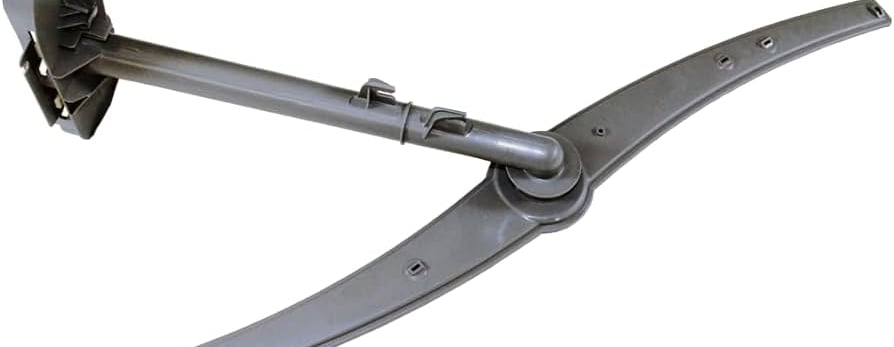
Dishwasher circulation means how well water moves through the pump, spray arms, filters, and internal pipes. When circulation weakens, dishes stay dirty, cycles run longer, and parts wear out faster. Good circulation keeps cleaning pressure high and prevents buildup inside the machine.
Use the routine below to keep water moving properly.
1. Weekly Quick-Flow Check (2-Minute Habit)
Once a week:
Spin each spray arm by hand
Make sure nothing blocks rotation
Confirm tall utensils are not stopping movement
Listen during the cycle for strong spraying sounds
If arms cannot spin freely, circulation drops immediately.
2. Monthly Filter Cleaning (Most Important Step)
Filters protect the circulation pump from food debris.
When clogged, water pressure weakens throughout the machine.
Monthly routine:
Remove the bottom filter
Rinse under warm water
Brush off grease and particles
Reinstall tightly
Clean filters = stronger pump performance.
3. Spray Arm Hole Inspection (Hidden Flow Killer)
Tiny spray holes control water pressure direction.
If blocked by:
rice grains
seeds
mineral deposits
labels
circulation weakens across the entire rack.
Fix:
Remove the arm and flush it under tap water. Clear holes gently with a toothpick.
4. Quarterly Deep Flush Cycle (Internal Pipe Cleaning)
Even if visible parts look clean, grease slowly coats hidden pipes and pump channels.
Every 3 months:
Run an empty hot cycle
Use dishwasher cleaner or one cup white vinegar
Avoid adding dishes
This dissolves grease film that silently restricts water flow.
5. Smart Loading Rules That Protect Circulation
Bad loading habits are one of the biggest causes of weak water movement.
Always avoid:
Blocking the center spray tower
Overcrowding plates tightly
Letting large pans cover lower spray arm
Placing bowls facing downward too steeply
Leave small gaps so water can circulate freely.
6. Watch for Early Circulation Warning Signs
Circulation problems rarely appear suddenly.
Look for:
Top rack dishes coming out dirty
Soap residue remaining after cycle
Spray sound becoming quieter
Cycle time increasing
Food bits stuck after washing
These usually signal blocked flow before total failure.
7. Once-a-Year Hose & Pump Area Check
If accessible:
Look under the dishwasher for drain hose kinks
Check for grease buildup near sump area
Confirm no slow draining occurs
Restricted drainage often reduces incoming circulation pressure too.
Simple Circulation Maintenance Schedule
Weekly → check spray movement
Monthly → clean filter
Every 3 months → run deep flush cycle
Yearly → inspect hoses and drainage
Follow this and circulation problems become rare.
Conclusion
Maintaining dishwasher circulation is mostly about protecting water flow paths. Keeping filters clean, spray holes open, internal pipes flushed, and loading organized ensures strong cleaning pressure in every cycle. With just a few minutes of routine maintenance, you can prevent weak washing, extend pump life, and keep your dishwasher performing like new for years.
Read More:
How to prevent dishwasher leaks
How to prevent dishwasher clogging
Reduce dishwasher electricity usage