
Dishwasher Foam Overflow: Causes, Quick Fixes, and How to Prevent It
Foam overflowing from your dishwasher? Learn the real causes, quick fixes, and proven prevention tips to stop suds leaks and protect your appliance.
APPLIANCE CARE
3/20/20262 min read
What Is Dishwasher Foam Overflow?
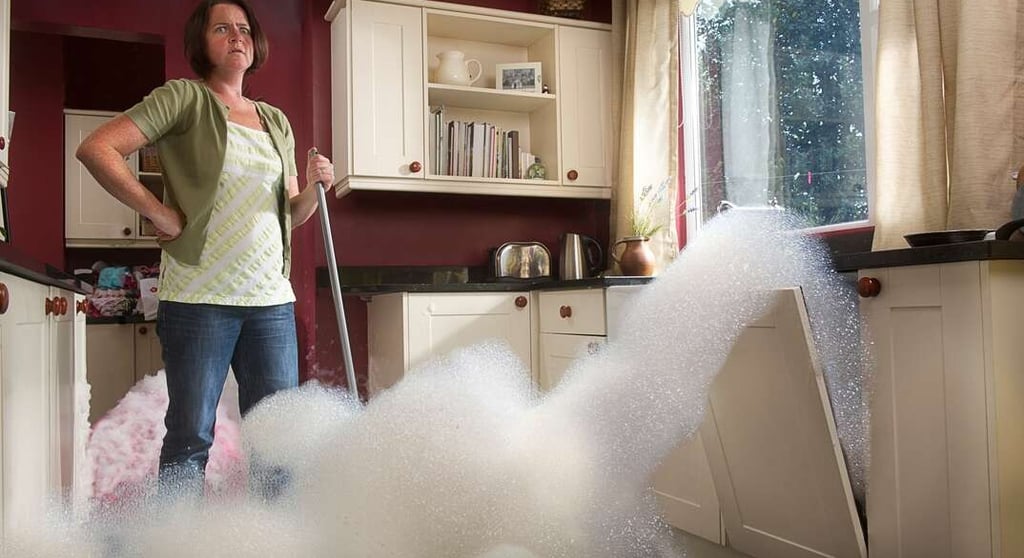
Foam overflow occurs when excessive suds build up inside the dishwasher and begin leaking out from the door or base. Unlike normal leaks, this problem is caused by soap-related issues rather than mechanical failure.
If not handled quickly, it can lead to water damage, unpleasant odors, and reduced cleaning performance.
Common Causes of Foam Overflow
1. Using the Wrong Detergent
Regular dishwashing liquid creates excessive suds and is not suitable for dishwashers. Even a small amount can cause overflow.
2. Overusing Detergent
Adding more detergent than required leads to excess foam, especially in areas with soft water.
3. Rinse Aid Spillage
Spilled rinse aid inside the dishwasher can produce foam during the wash cycle.
4. Food Residue on Dishes
Starchy or protein-rich food residues, such as eggs and dairy, can contribute to foam formation.
5. Clogged Filter or Drain
Poor drainage prevents proper rinsing, allowing soap to accumulate and form foam.
How to Fix Foam Overflow Immediately
If your dishwasher is already overflowing:
Turn off the dishwasher immediately
Cancel the cycle and disconnect power
Place towels around the base to absorb water
Add a small amount of cooking oil (1–2 teaspoons) inside the dishwasher to break down suds
Run a short rinse cycle without detergent
Repeat the rinse cycle if necessary until foam disappears
Deep Cleaning After Foam Overflow
Once the foam is gone, clean the dishwasher thoroughly:
Remove and wash the filter
Wipe the interior walls and door seals
Clean spray arms to remove residue
Run an empty hot cycle with vinegar
This step ensures no leftover detergent remains inside the system.
How to Prevent Foam Overflow
Use the Correct Detergent
Always use detergent specifically designed for dishwashers. Avoid using handwashing liquid under any circumstances.
Measure Detergent Properly
Follow the manufacturer’s recommended amount. Reduce quantity if your water supply is soft.
Clean the Dishwasher Regularly
Routine maintenance prevents buildup that contributes to foam issues.
Clean the filter weekly
Run a cleaning cycle monthly
Check for blockages
Load Dishes Correctly
Remove excess food before loading dishes. Avoid placing items coated with soap into the dishwasher.
Use Rinse Aid Carefully
Do not overfill the rinse aid compartment. Clean any spills immediately.
When to Seek Professional Help
You should contact a technician if:
Foam overflow happens repeatedly
The dishwasher fails to drain properly
Water leaks continue even without foam
Internal components are affected
Final Thoughts
Dishwasher foam overflow is usually caused by simple mistakes such as using the wrong detergent or overusing soap. The issue can be resolved quickly with proper cleaning and a few adjustments in usage habits.
Regular maintenance and correct detergent use will prevent this problem and keep your dishwasher functioning efficiently.
Read More:
Dishwasher spray arms not spinning
Dishwasher beeping continuously? Causes and easy fixes
Dishwasher won't start? Use this simple diagnosis & fix guide