
How to Fix a Dishwasher Not Cleaning Dishes
This guide walks you through exact causes, step-by-step fixes, and prevention tips so your dishwasher washes like new again.
DIY
9/8/20262 min read
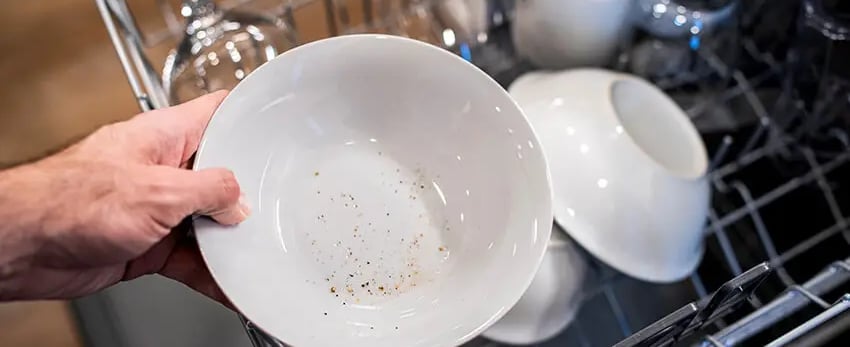
Common Signs Your Dishwasher Isn’t Cleaning Properly
Food stuck on plates after a full cycle
Cloudy glassware
Greasy or gritty residue on dishes
Top rack dishes still dirty
Soap not fully dissolved
If any of these sound familiar, use the fixes below.
Why Is My Dishwasher Not Cleaning Dishes?
Here are the most common reasons, ranked from most likely to least likely:
1. Clogged Dishwasher Filter
Food debris blocks water flow and recirculates dirt.
2. Spray Arms Not Spinning or Clogged
Blocked spray holes stop water from reaching dishes.
3. Incorrect Loading
Overloading or blocking spray arms prevents proper cleaning.
4. Low Water Temperature
Dishwashers need hot water to dissolve grease and detergent.
5. Poor Detergent or Wrong Amount
Low-quality detergent or incorrect dosing reduces cleaning power.
6. Hard Water Buildup
Mineral deposits reduce spray pressure and leave residue.
7. Faulty Circulation Pump
If water pressure is weak, dishes won’t get clean.
How to Fix a Dishwasher Not Cleaning Dishes (Step-by-Step)
Step 1: Clean the Dishwasher Filter
This is the #1 fix.
Remove the bottom rack
Take out the filter (twist or lift)
Rinse under warm water
Scrub gently with a soft brush
👉 Clean weekly if you wash daily.
Step 2: Clean the Spray Arms
Remove spray arms (top and bottom)
Use a toothpick to clear clogged holes
Rinse thoroughly
Ensure they spin freely after reinstalling.
Step 3: Load Dishes Correctly
Face dirty surfaces toward the center
Do not block spray arms
Avoid nesting bowls and plates
Poor loading alone can cause cleaning failure.
Step 4: Check Water Temperature
Run hot water at the sink before starting
Ideal water temperature: 120–140°F (49–60°C)
Cold water = greasy dishes.
Step 5: Use the Right Detergent
Use fresh, high-quality detergent
Don’t overfill or underfill
Try detergent pods for consistent dosing
If you have hard water, add rinse aid.
Step 6: Clean the Dishwasher Interior
Run an empty cycle with dishwasher cleaner or vinegar
This removes grease, soap scum, and mineral buildup
Do this once a month.
Step 7: Reset the Dishwasher
If cleaning issues started suddenly:
Turn off power at the breaker
Wait 5 minutes
Restore power and run a test cycle
This clears control glitches.
Brand-Specific Notes
Bosch dishwashers often need frequent filter cleaning
Whirlpool dishwashers may suffer from weak spray arm pressure
Samsung dishwashers can show cleaning issues due to sensor or water flow problems
LG dishwashers may need spray arm and pump inspection
GE dishwashers often fail to clean properly due to clogged filters or hard water buildup
When to Call a Technician
DIY fixes may not work if:
Dishes stay dirty after all cleaning steps
You hear weak spraying or abnormal pump noise
Error codes appear repeatedly
These usually indicate a failed circulation pump, heating element, or control board.
How to Prevent Dishwasher Cleaning Problems
Scrape food before loading
Clean the filter weekly
Use rinse aid
Run hot water before starting
Clean spray arms monthly
Read More:
How to fix a dishwasher leaking water