
How to Prevent Dishwasher Scale Buildup
Learn how to prevent dishwasher scale buildup with easy maintenance tips, water-softening methods, and cleaning routines that stop mineral deposits and protect your appliance.
APPLIANCE CARE
2/23/20262 min read
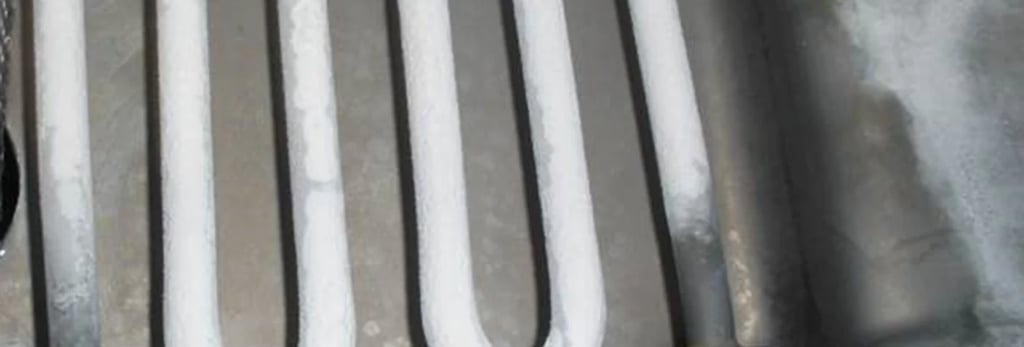
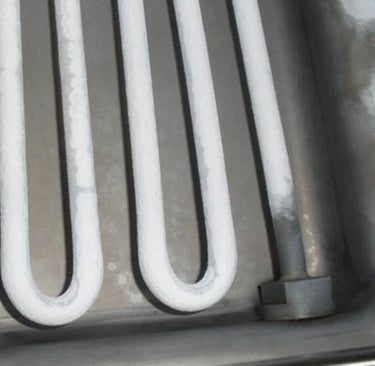
If you notice white chalky spots on glasses, a cloudy film inside the dishwasher, or reduced cleaning performance, mineral scale is usually the cause. Scale forms when hard water minerals like calcium and magnesium settle inside the machine. Over time, this buildup can block spray arms, damage heating elements, and shorten your dishwasher’s life.
The good news is that preventing scale is simple once you follow a few consistent habits.
Understand What Scale Looks Like
Scale usually appears as:
White powdery residue on dishes
Cloudy glassware after washing
Rough deposits inside the tub
Blocked spray holes
If you see these signs, hard water minerals are accumulating.
Use Dishwasher Salt (For Machines With Softener Systems)
Many dishwashers (especially European models) include a built-in water softener that needs dishwasher salt.
What to do:
Check if your dishwasher has a salt compartment
Refill whenever the salt indicator turns on
Use only dishwasher salt, not table salt
Salt helps remove minerals before they form scale.
Choose Detergent Designed for Hard Water
If you live in a hard-water area, standard detergent alone may not be enough.
Look for:
Detergent labeled “hard water protection”
Pods with built-in rinse aid and softening agents
Products with anti-limescale additives
These formulas prevent minerals from sticking to surfaces.
Run a Monthly Vinegar Descaling Cycle
Vinegar dissolves mineral deposits before they harden.
Easy method:
Place one cup of white vinegar in a bowl on the top rack
Run a hot empty cycle
Do this once every month
This keeps pipes, spray arms, and the heating system clear.
Use Rinse Aid Regularly
Rinse aid is not only for shiny dishes. It also helps prevent mineral droplets from drying onto surfaces.
Benefits include:
Fewer water spots
Less mineral residue
Faster drying
Cleaner glassware
Refill the rinse aid dispenser whenever it runs low.
Avoid Using Too Much Detergent
Surprisingly, excess detergent can make scale worse.
Too much soap:
Leaves residue film
Traps minerals on surfaces
Causes cloudy buildup
Always follow the recommended amount, and reduce slightly if your water is only moderately hard.
Clean Filters and Spray Arms Periodically
Minerals often collect first in small internal parts.
Every few weeks:
Remove and rinse the filter
Check spray arm holes for white deposits
Clear any blocked openings
Stopping buildup early prevents larger scale problems.
Know When Hard Water Is the Real Issue
You likely have hard water if:
Bathroom taps show white crust
Kettle builds scale quickly
Soap does not lather easily
Glasses turn cloudy often
In very hard-water areas, a whole-house softener or inline filter may be worth considering.
Conclusion
Preventing dishwasher scale buildup is mostly about controlling hard water minerals before they settle. Using dishwasher salt when available, choosing the right detergent, adding rinse aid, and running a monthly vinegar cycle can keep your appliance clean and efficient. With just a few small habits, you can protect your dishwasher’s heating system, improve washing results, and avoid expensive repairs caused by mineral deposits.
Read More:
How to prevent dishwasher leaks
How to prevent dishwasher clogging
Reduce dishwasher electricity usage