How to Prevent Refrigerator Water Leaks: Easy Maintenance Tips
Learn how to prevent refrigerator water leaks by cleaning the drain, checking the water line, leveling the appliance, and maintaining the defrost system properly.
APPLIANCE CARE
9/14/20263 min read

Why Refrigerators Leak Water
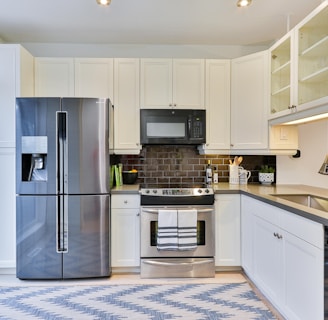
Water leaking from a refrigerator can come from several places. A clogged defrost drain, blocked drain tube, damaged water supply line, overflowing drip pan, or an improperly leveled refrigerator can all contribute to leaks.
Finding the source early can help prevent water damage to floors and cabinets.
Keep the Defrost Drain Clear
The defrost drain carries melted ice and frost away from the freezer compartment.
Food particles, ice, and debris can block the drain and cause water to collect inside the refrigerator or freezer.
To help prevent blockages:
Check the drain area periodically.
Keep food and packaging away from the drain opening.
Clean accessible debris carefully.
Follow the manufacturer's instructions for cleaning the drain.
Avoid poking sharp objects into the drain because they can damage internal components.
Clean the Drain Tube
A partially blocked drain tube can cause water to back up.
If your refrigerator's manual provides instructions for cleaning the drain tube, follow them carefully. Warm water may be suitable for some models, but the recommended cleaning method varies between refrigerators.
If the blockage cannot be cleared safely, professional service may be necessary.
Inspect the Water Supply Line
Refrigerators with ice makers or water dispensers usually have a water supply line.
Inspect the accessible tubing for:
Cracks
Kinks
Loose connections
Bulges
Signs of moisture
Damaged fittings
A damaged or loose water line should be repaired or replaced rather than temporarily patched.
Check the Water Filter
A poorly installed or clogged water filter can sometimes contribute to leaks around the filter housing.
When replacing the filter:
Use the correct filter for your refrigerator.
Follow the manufacturer's installation instructions.
Make sure the filter is fully seated.
Check the filter area for leaks afterward.
If water continues leaking around the filter housing, the housing or seal may need inspection.
Keep the Refrigerator Level
A refrigerator that is not properly leveled can experience drainage problems and may not seal correctly.
Use the refrigerator's adjustable leveling feet according to the manufacturer's instructions. Many refrigerators are designed to sit with a slight backward tilt, but the correct position depends on the model.
Avoid making large adjustments without checking the manufacturer's guidance.
Keep the Door Gasket Clean
A damaged or dirty door gasket can allow warm air to enter the refrigerator.
Excess moisture from warm air can contribute to frost and water accumulation.
Clean the gasket regularly with a soft cloth and mild soapy water. Check for cracks, gaps, or sections that have become loose.
Avoid Blocking Air Vents
Proper airflow helps maintain stable temperatures inside the refrigerator.
Do not pack food tightly against internal air vents. Blocked airflow can contribute to temperature fluctuations and excessive frost, which may eventually result in additional water during defrosting.
Check the Drip Pan
Many refrigerators have a drain or drip pan underneath the cabinet that collects water produced during the defrost cycle.
Inspect the accessible pan periodically for:
Cracks
Overflowing water
Excessive dirt
Improper positioning
A cracked or damaged pan should be replaced.
Don't Put Hot Food Directly Inside
Placing large amounts of hot food in the refrigerator can increase internal temperature and moisture.
Allow food to cool appropriately before refrigerating it, while still following food-safety recommendations for how long perishable food can remain at room temperature.
Reducing excess moisture can help minimize frost and condensation.
Keep the Refrigerator at the Correct Temperature
An excessively cold freezer can encourage frost buildup, while temperature fluctuations can contribute to condensation and drainage problems.
Use the temperature settings recommended by your refrigerator manufacturer. Avoid changing the temperature unnecessarily.
Clean Up Small Leaks Quickly
Even a small amount of water should not be ignored.
When you notice water:
Dry the floor immediately.
Determine where the water is coming from.
Check the drain and water connections.
Look for ice or frost buildup.
Monitor the area after cleaning.
Early detection can prevent a small leak from becoming a major water-damage problem.
When to Call a Technician
Professional service may be necessary when:
Water continues leaking after basic cleaning.
A water supply line is damaged.
The refrigerator is leaking from an internal component.
Heavy ice buildup keeps returning.
The drain repeatedly becomes blocked.
Water is leaking near electrical components.
You cannot identify the source of the leak.
If water is reaching electrical connections or wiring, disconnecting the appliance safely and obtaining professional assistance is especially important.
Final Prevention Checklist
To reduce the chances of refrigerator water leaks, regularly:
Keep the defrost drain clear.
Inspect accessible water lines.
Replace water filters correctly.
Clean the door gasket.
Check the drip pan.
Maintain proper leveling.
Keep air vents unobstructed.
Clean spills promptly.
Watch for unusual frost or condensation.
Regular maintenance can help identify small problems before they turn into persistent refrigerator leaks or costly water damage.