
How to Prevent Washing Machine Vibration
Learn how to prevent washing machine vibration with simple troubleshooting tips.
APPLIANCE CARE
6/14/20263 min read

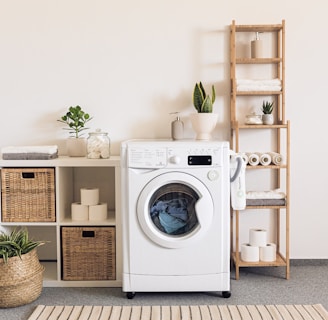
A vibrating washing machine can be more than just annoying. Excessive shaking can damage your floors, wear out machine components, and create unnecessary noise throughout your home. Fortunately, most washing machine vibration problems can be fixed with a few simple adjustments.
In this guide, we'll explain why washing machines vibrate and how to prevent excessive movement during wash cycles.
Why Does a Washing Machine Vibrate?
Some vibration is normal, especially during the spin cycle. However, excessive shaking usually points to one of the following issues:
Uneven flooring
Unbalanced laundry loads
Incorrect machine leveling
Shipping bolts not removed
Worn shock absorbers or suspension rods
Damaged anti-vibration pads
Identifying the cause is the first step toward solving the problem.
1. Make Sure the Washing Machine Is Level
One of the most common causes of vibration is an unlevel machine.
How to Check
Place a spirit level on top of the washer.
Check both side-to-side and front-to-back alignment.
Adjust the leveling feet until the machine sits evenly.
Most washing machines have adjustable feet that can be turned by hand or with a wrench.
2. Avoid Overloading or Underloading the Washer
An unbalanced load can cause the drum to spin unevenly.
Best Practices
Mix large and small items together.
Avoid washing a single heavy item by itself.
Distribute clothes evenly around the drum.
Follow the manufacturer's load recommendations.
Items like blankets, comforters, and towels are common causes of imbalance.
3. Check the Floor Surface
A washing machine performs best on a solid, stable floor.
Problem Floors
Uneven concrete
Loose tiles
Flexible wooden floors
Damaged flooring
If the floor flexes during operation, consider reinforcing it or relocating the washer to a more stable surface.
4. Install Anti-Vibration Pads
Anti-vibration pads are inexpensive accessories placed under the washer's feet.
Benefits
Reduce shaking
Minimize noise
Protect flooring
Improve machine stability
Rubber anti-vibration pads are available at most appliance and hardware stores.
5. Remove Shipping Bolts on New Machines
New washing machines are shipped with transit bolts that secure the drum during transportation.
If these bolts are not removed before use, severe vibration can occur.
What to Do
Check the user manual.
Locate shipping bolts on the rear panel.
Remove them according to manufacturer instructions.
Never operate a new washing machine with shipping bolts installed.
6. Inspect Shock Absorbers and Suspension Components
Front-load washing machines use shock absorbers and suspension systems to control drum movement.
Signs of Wear
Excessive bouncing
Loud banging noises
Violent movement during spin cycles
If these components are damaged, they may need replacement.
7. Tighten Loose Parts
Over time, vibrations can loosen screws and mounting hardware.
Areas to Check
Rear access panel
Motor mounts
Drum supports
Counterweights
Always disconnect power before inspecting internal components.
8. Clean the Drum Regularly
Soap residue and debris can accumulate inside the drum and affect balance.
Cleaning Tips
Run a drum-clean cycle monthly.
Use washing machine cleaner.
Wipe door seals and detergent drawers.
A clean machine often runs more smoothly and efficiently.
9. Reduce High-Speed Spin Settings
While high-speed spin cycles remove more water, they also create more vibration.
If your washer shakes excessively:
Select a lower spin speed.
Use delicate or medium spin settings for lighter loads.
This simple adjustment can significantly reduce movement.
10. Schedule Professional Service if Needed
If you've tried all troubleshooting steps and vibration continues, a mechanical issue may be present.
Professional technicians can inspect:
Bearings
Suspension rods
Drum assemblies
Counterweights
Motor components
Addressing these issues early can prevent costly repairs later.
Tips to Keep Your Washing Machine Stable
Level the washer regularly.
Avoid overloading the drum.
Use anti-vibration pads.
Clean the machine monthly.
Inspect components for wear.
Place the washer on a solid floor.
Following these maintenance practices can help extend the life of your appliance and reduce unwanted noise.
Conclusion
Preventing washing machine vibration is usually straightforward. Most problems are caused by uneven installation, unbalanced loads, or worn suspension components. By leveling the machine, distributing laundry properly, and performing regular maintenance, you can keep your washer running quietly and efficiently.
A stable washing machine not only reduces noise but also helps protect your home and extends the lifespan of the appliance.
Read More:
How to prevent washing machine corrosion
How to prevent washing machine imbalance