
Why Your Washing Machine Stops Mid-Cycle (Causes, Checks, and Easy Fixes)
Is your washing machine stopping mid-cycle? Learn the most common causes, simple checks, and easy fixes to get your washer running normally again.
DIY
2/21/20266 min read

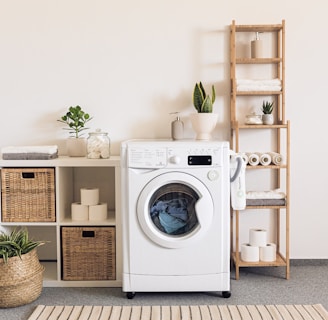
A washing machine stopping in the middle of a cycle can be frustrating, especially when there is still water in the drum or the clothes are sitting there half-washed. The good news is that a washer that stops mid-cycle does not always mean something major has gone wrong.
Sometimes the cause is as simple as a clogged drain hose, an overloaded drum, or a door that isn't locking properly. Other times, the machine may be protecting itself from overheating or detecting a problem with one of its internal components.
Before calling a repair technician, there are several things you can safely check yourself.
Common Reasons a Washing Machine Stops Mid-Cycle
1. Drainage Problem
One of the most common reasons a washing machine stops during a cycle is that it cannot drain the water properly.
When the washer finishes washing, it needs to remove the dirty water before moving on to spinning. If the water cannot drain, the machine may pause or stop to prevent the drum from spinning with water still inside.
Signs of a drainage problem include:
Water remains inside the drum
The washer stops before the spin cycle
You hear a humming sound but little or no water comes out
A drain-related error code appears
The clothes are soaking wet at the end of the cycle
Easy fix: Check the drain hose for kinks or blockages. If your washer has a removable pump filter, clean it carefully. Coins, lint, hair, buttons, and small pieces of fabric can collect inside the filter and restrict water flow.
2. Door Lock or Lid Switch Problem
Front-load washers have a door lock, while many top-load washers use a lid switch or lid lock. The washer needs to know that the door or lid is safely closed before it can continue certain parts of the cycle.
If the machine loses that signal, it may stop unexpectedly.
Look for:
A flashing door or lock light
The washer stopping shortly after starting
A door that doesn't close properly
The machine restarting when you press or close the door again
Easy fix: Open the door or lid and check for clothing caught around the seal or latch. Close it firmly and try starting the cycle again.
If the problem keeps happening even though the door is closing properly, the lock or switch may be faulty.
3. Unbalanced or Overloaded Load
A washing machine can stop or repeatedly pause when the clothes inside the drum are badly unbalanced.
This is particularly common during the spin cycle. A heavy towel, blanket, or a few large items can move to one side of the drum and cause excessive vibration.
The washer may slow down or stop the spin cycle to protect itself.
Try this:
Pause the washer.
Open the door or lid once it is safe to do so.
Spread the clothes evenly around the drum.
Remove a few items if the load is very large.
Restart the spin or wash cycle.
Avoid cramming too many clothes into the drum. A washer needs enough space for the clothes to move freely through the water.
4. Power Supply Interruption
A brief power interruption can make a washing machine stop in the middle of a cycle.
You may not even notice a power cut if it lasts only a few seconds.
Check whether the display went blank or the machine completely shut off. Also make sure the power cord is firmly connected and the wall outlet is working.
If the washer repeatedly loses power, don't keep restarting it. There could be an issue with the outlet, wiring, circuit breaker, or the washer's electrical system.
It's best to have the problem checked by a qualified professional.
5. Motor Overheating
The motor can become hot when the washer is handling a heavy load or running repeatedly without enough time to cool down.
Many washers have built-in protection that can temporarily stop the motor if it gets too hot.
You may notice that the washer works normally again after sitting unused for a while.
What to do: Turn the washer off and allow it to cool down. If you regularly wash very heavy loads, try reducing the amount of clothing in each cycle.
If you notice a burning smell or the motor becomes unusually hot, stop using the machine and have it inspected.
6. Water Supply Problem
Your washer needs a steady supply of water to complete its cycle. If the water supply is interrupted, the machine may pause while waiting for enough water.
Check that the water supply valves are fully open. Also inspect the inlet hoses for bends or kinks.
If water enters the washer very slowly, the inlet screens may be clogged with dirt or mineral deposits.
A low water supply can sometimes cause the washer to stop before moving to the next stage of the cycle.
7. Control Board or Sensor Problem
Modern washing machines use sensors and electronic controls to manage everything from water levels to temperature and drum speed.
If a sensor sends incorrect information or the control board detects a problem, the washer may stop in the middle of a program.
This is more likely if:
The machine stops at exactly the same point every time
Buttons become unresponsive
Random error codes appear
The washer works sometimes but not others
Resetting the machine only helps temporarily
A control board or sensor problem is usually harder to diagnose at home and may require professional testing.
How to Check a Washer That Stops Mid-Cycle
Before assuming the washer needs a repair, try these basic checks.
Step 1: Check for Water
Look inside the drum.
If there is a significant amount of water left, focus on the drain hose, pump filter, and drain pump.
Step 2: Check the Door or Lid
Make sure it closes completely and nothing is blocking the latch.
Don't force a locked door open if there is water inside the drum.
Step 3: Check the Load
If the washer stopped during spinning, redistribute the clothes and remove some items if the drum is overloaded.
Step 4: Check the Water Supply
Make sure the supply valves are open and the inlet hoses aren't kinked.
Step 5: Restart the Washer
Once you've checked the obvious problems, turn the washer off and restart a short rinse or spin cycle.
If the washer completes the cycle normally, the problem may have been temporary.
Try Resetting the Washing Machine
A simple reset can sometimes clear a temporary electronic glitch.
Turn the washer off and unplug it from the wall outlet. Leave it disconnected for about five minutes. Plug it back in and select a short cycle.
If the washer starts working normally again, keep an eye on it during the next few washes.
If the same problem returns, don't rely on repeated resets. A recurring problem usually means there is an underlying issue that needs attention.
When You Should Call a Repair Technician
Some problems are better left to a professional.
Contact a qualified appliance technician if the washer:
Stops at the same point during every cycle
Continues displaying the same error code
Makes loud grinding or electrical noises
Has a burning smell
Leaks water
Trips the circuit breaker
Won't turn on after checking the power supply
Won't drain even after cleaning the filter and checking the hose
If you suspect an electrical problem, unplug the washer and avoid using it until it has been checked.
How to Prevent Mid-Cycle Stopping
A little regular maintenance can prevent many common washer problems.
Clean the drain pump filter when recommended for your model and check the drain hose occasionally for blockages or kinks. Don't overload the drum, especially with heavy towels, blankets, or rugs.
Use the correct amount of detergent as well. Too much detergent can create excessive suds, which may interfere with the washer's normal operation.
It's also worth checking pockets before washing clothes. Coins, hair clips, tissues, and other small objects can end up in the drain system and cause problems later.
Final Thoughts
A washing machine that stops mid-cycle can look like a major problem, but it often has a simple explanation. Start by checking whether the washer can drain, whether the door or lid is locking properly, and whether the load is too large or badly balanced.
Next, check the water supply and power connection. If necessary, try a basic reset and run a short cycle.
If the washer continues stopping at the same point or displays a recurring error code, the problem may involve a pump, motor, sensor, door lock, or control board. At that point, getting the machine properly diagnosed is usually better than repeatedly restarting it and hoping the problem disappears.
Read More:
How to reset a whirlpool washer (Step-by-step guide)