How to Connect a Washing Machine Inlet Hose
Learn how to connect a washing machine inlet hose correctly with this simple checklist-style guide. Prevent leaks, low water pressure, and installation mistakes.
APPLIANCE CARE
2/7/20262 min read
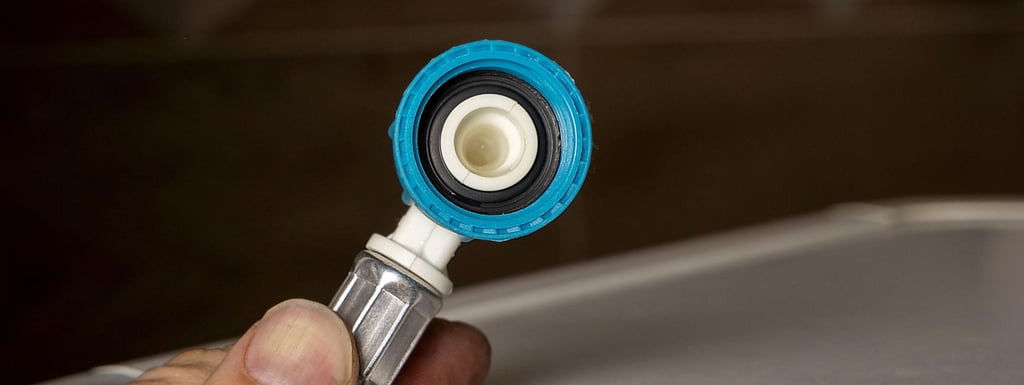
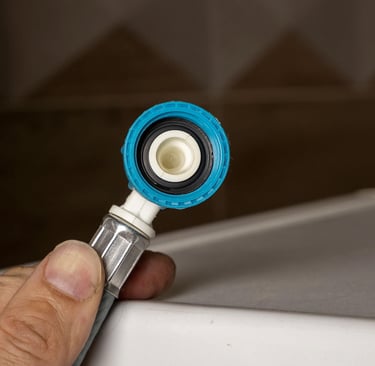
Connecting the washing machine inlet hose is a small task, but doing it wrong can cause leaks, flooding, or poor water flow. This checklist-style guide shows you exactly how to connect a washing machine inlet hose safely, plus quick fixes if something goes wrong.
✅ Pre-Installation Checklist
Before you start, confirm the following:
Washing machine is unplugged
Water supply tap is turned OFF
Inlet hose is new or in good condition
Rubber washer is inside the hose
Water tap is clean and rust-free
If all boxes are checked, continue.
🔧 Connection Steps (Simple & Clear)
Step 1: Identify the Inlet Points
Locate the water inlet valve at the back of the washing machine
Identify the water tap on the wall
For hot/cold models, match hoses correctly
Step 2: Attach Hose to Washing Machine
Screw one end of the inlet hose onto the washer inlet valve
Tighten by hand until snug
Do not over-tighten with tools
👉 Over-tightening can damage the valve threads.
Step 3: Connect Hose to Water Tap
Attach the other end of the hose to the tap
Ensure the rubber washer sits flat inside
Hand-tighten firmly
Step 4: Turn On Water Supply
Slowly open the water tap
Watch the hose connections closely
Check for dripping or seepage
If you see leaks, turn off the tap and retighten.
Step 5: Secure Hose Position
Ensure the hose is not twisted or bent
Avoid sharp curves
Keep the hose away from heat sources
This ensures proper water flow and longer hose life.
🧪 Test Run Checklist
After connecting:
Plug in the washing machine
Start a short wash cycle
Confirm water fills normally
Listen for unusual sounds
Recheck for leaks after 5 minutes
⚠️ Common Problems & Quick Fixes
Water leaking at tap
Rubber washer missing or damaged
Hose not tightened evenly
Low water pressure
Inlet filter clogged
Tap not fully open
Hose bent or kinked
No water entering machine
Tap turned off
Inlet valve blocked
Hose connected incorrectly
🔍 Extra Safety Tips
Replace inlet hoses every 3–5 years
Use braided hoses for added safety
Turn off tap when washer is not in use
Avoid cheap, thin plastic hoses
🕒 When to Replace the Inlet Hose
Replace the hose if you notice:
Cracks or bulges
Rusted connectors
Frequent leaks
Reduced water flow
A damaged hose can burst without warning.
Learning how to connect a washing machine inlet hose correctly prevents leaks, improves washing performance, and protects your home from water damage. With a simple checklist and careful tightening, this task takes less than 10 minutes.
Read More:
How to install a washing machine
How to level a washing machine
How to connect a washing machine drain hose