
How to Extend Refrigerator Cooling Performance
Learn how to extend refrigerator cooling performance with simple maintenance tips. Improve efficiency, reduce energy costs, and keep food fresh for longer.
APPLIANCE CARE
6/19/20263 min read

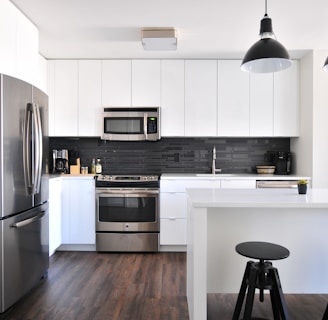
Your refrigerator works around the clock to keep food fresh and safe. Over time, dust buildup, poor airflow, and improper usage can reduce its cooling performance. The good news is that a few simple maintenance habits can help your refrigerator cool more efficiently, last longer, and consume less electricity.
In this guide, we'll explain practical ways to extend refrigerator cooling performance and maintain optimal temperature year-round.
Why Refrigerator Cooling Performance Matters
A refrigerator that cools properly offers several benefits:
Keeps food fresher for longer
Reduces food spoilage
Saves energy
Lowers electricity bills
Extends appliance lifespan
Prevents unnecessary repairs
If your refrigerator struggles to maintain temperature, it may have to work harder, leading to increased wear and higher energy consumption.
1. Clean the Condenser Coils Regularly
Condenser coils release heat from inside the refrigerator. When they become covered with dust and pet hair, cooling efficiency decreases.
How to Clean Condenser Coils
Unplug the refrigerator.
Locate the coils behind or beneath the unit.
Use a coil brush or vacuum cleaner to remove dust.
Clean every six months.
Regular coil cleaning can significantly improve cooling performance.
2. Maintain Proper Airflow Inside the Refrigerator
Cold air must circulate freely throughout the refrigerator.
Best Practices
Avoid overpacking shelves.
Leave space between food containers.
Keep air vents unobstructed.
Organize items to allow airflow.
Restricted airflow can create warm spots and uneven cooling.
3. Check and Clean Door Gaskets
The rubber door seals prevent cold air from escaping.
Signs of Worn Door Seals
Cracks or tears
Loose fitting gasket
Condensation around the door
Refrigerator running constantly
Clean the seals with warm water and mild soap. Replace damaged gaskets to prevent cooling loss.
4. Set the Correct Temperature
Many homeowners unknowingly use incorrect temperature settings.
Recommended Temperatures
Refrigerator compartment: 37°F to 40°F (3°C to 4°C)
Freezer compartment: 0°F (-18°C)
Using a refrigerator thermometer can help ensure accurate temperatures.
5. Avoid Frequent Door Opening
Every time the door opens, warm air enters the refrigerator.
Tips
Decide what you need before opening the door.
Close the door promptly.
Avoid leaving the door open while organizing food.
Reducing door-opening time helps maintain stable temperatures.
6. Keep the Refrigerator Away from Heat Sources
External heat forces the refrigerator to work harder.
Avoid Placing It Near
Ovens
Dishwashers
Direct sunlight
Heating vents
Providing a cooler environment improves efficiency and cooling performance.
7. Allow Hot Food to Cool First
Placing hot food directly into the refrigerator raises the internal temperature.
Better Approach
Allow cooked food to cool to room temperature before refrigerating. This reduces strain on the compressor and helps maintain consistent cooling.
8. Leave Adequate Space Around the Refrigerator
The refrigerator needs room to release heat.
Recommended Clearance
Back: 2 to 4 inches
Sides: 1 to 2 inches
Top: Follow manufacturer recommendations
Proper ventilation improves overall cooling efficiency.
9. Defrost When Necessary
For refrigerators without automatic defrost systems, frost buildup can reduce cooling effectiveness.
When to Defrost
If frost exceeds one-quarter inch in thickness, it's time to defrost the freezer.
Removing excess frost improves airflow and cooling performance.
10. Replace Water Filters on Schedule
Some refrigerators use water filters that can affect overall performance if clogged.
Follow the manufacturer's replacement schedule, typically every six months.
Signs Your Refrigerator Is Losing Cooling Performance
Watch for these warning signs:
Food spoiling quickly
Refrigerator running continuously
Warm interior temperatures
Excessive frost buildup
Unusual noises
Increased electricity bills
Addressing these issues early can prevent costly repairs.
When to Call a Professional
Contact a qualified appliance technician if:
Cleaning and maintenance do not improve cooling
The compressor is unusually noisy
Refrigerant leaks are suspected
The refrigerator fails to maintain proper temperature
Professional diagnosis can identify underlying mechanical problems before they worsen.
Final Thoughts
Extending refrigerator cooling performance is largely a matter of routine maintenance and proper usage. Cleaning condenser coils, ensuring good airflow, maintaining door seals, and setting correct temperatures can significantly improve efficiency and food preservation.
By following these simple tips, you can help your refrigerator cool more effectively, reduce energy costs, and extend the life of one of the most important appliances in your home.
Read More:
How to maintain refrigerator humidity balance for fresher food
How to prevent refrigerator cooling loss during power outages