
Refrigerator Drain Clogged: How to Fix It Step by Step
A clogged refrigerator drain can cause water pooling inside the fridge or leaking onto the floor. This easy, step-by-step guide explains why the drain gets blocked and how to fix it safely at home, plus tips to prevent it from happening again.
DIY
2/12/20262 min read

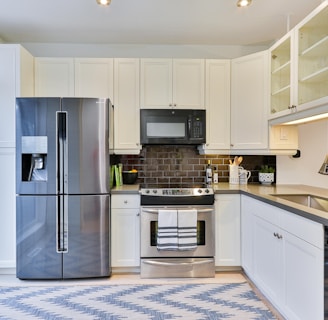
If you notice water collecting at the bottom of your refrigerator or under the crisper drawers, a clogged drain is usually the culprit. During the defrost cycle, melted ice should flow through a small drain hole and exit into a pan underneath the fridge. When that drain gets blocked, water has nowhere to go.
The good news is that this is a common issue and often easy to fix without professional help.
Why Refrigerator Drains Get Clogged
A refrigerator drain typically clogs due to:
Food particles or debris washing into the drain
Mold or algae growth inside the drain tube
Ice buildup caused by temperature fluctuations
Dust or dirt blocking the drain pan or tube
Over time, these blockages stop water from draining properly.
Signs of a Clogged Refrigerator Drain
Water pooling at the bottom of the fridge
Ice buildup near the back wall of the freezer
Water leaking onto the kitchen floor
Musty or unpleasant odors inside the refrigerator
If you see one or more of these signs, the drain likely needs cleaning.
How to Fix a Clogged Refrigerator Drain
Step 1: Unplug the Refrigerator
Always disconnect the power before starting any repair to avoid electric shock.
Step 2: Locate the Drain Hole
The drain hole is usually found:
At the back of the freezer (behind a panel), or
At the rear wall of the refrigerator compartment
Check your appliance manual if you are unsure.
Step 3: Remove Visible Debris
Use a soft cloth or cotton swab to clear food particles or dirt from the drain opening.
Step 4: Flush the Drain with Warm Water
Pour warm (not boiling) water into the drain hole using a turkey baster or squeeze bottle.
If the water drains smoothly, the clog is clearing.
Step 5: Clear Stubborn Blockages
If water does not flow freely:
Use a pipe cleaner or flexible wire to gently loosen the blockage
Avoid sharp or rigid tools that could puncture the drain tube
Repeat flushing until water drains properly.
Step 6: Clean the Drain Pan
Pull out the drain pan from underneath the refrigerator.
Wash it with warm soapy water and dry it completely before placing it back.
How to Prevent Future Drain Clogs
Wipe spills immediately before they reach the drain
Clean the drain hole every few months
Avoid placing uncovered food near the back wall
Keep refrigerator temperatures stable
Periodically check and clean the drain pan
When to Call a Technician
If the drain continues to clog frequently, or if water leaks persist after cleaning, the drain tube may be frozen, damaged, or improperly installed. In such cases, professional repair is recommended.
Conclusion
A clogged refrigerator drain is a small problem that can lead to big messes if ignored. By cleaning the drain hole and tube regularly, you can stop leaks, prevent odors, and keep your refrigerator running smoothly.
A few minutes of maintenance can save you from costly repairs later.
Read More:
Refrigerator stuck in defrost mode
How to reset refrigerator water filter